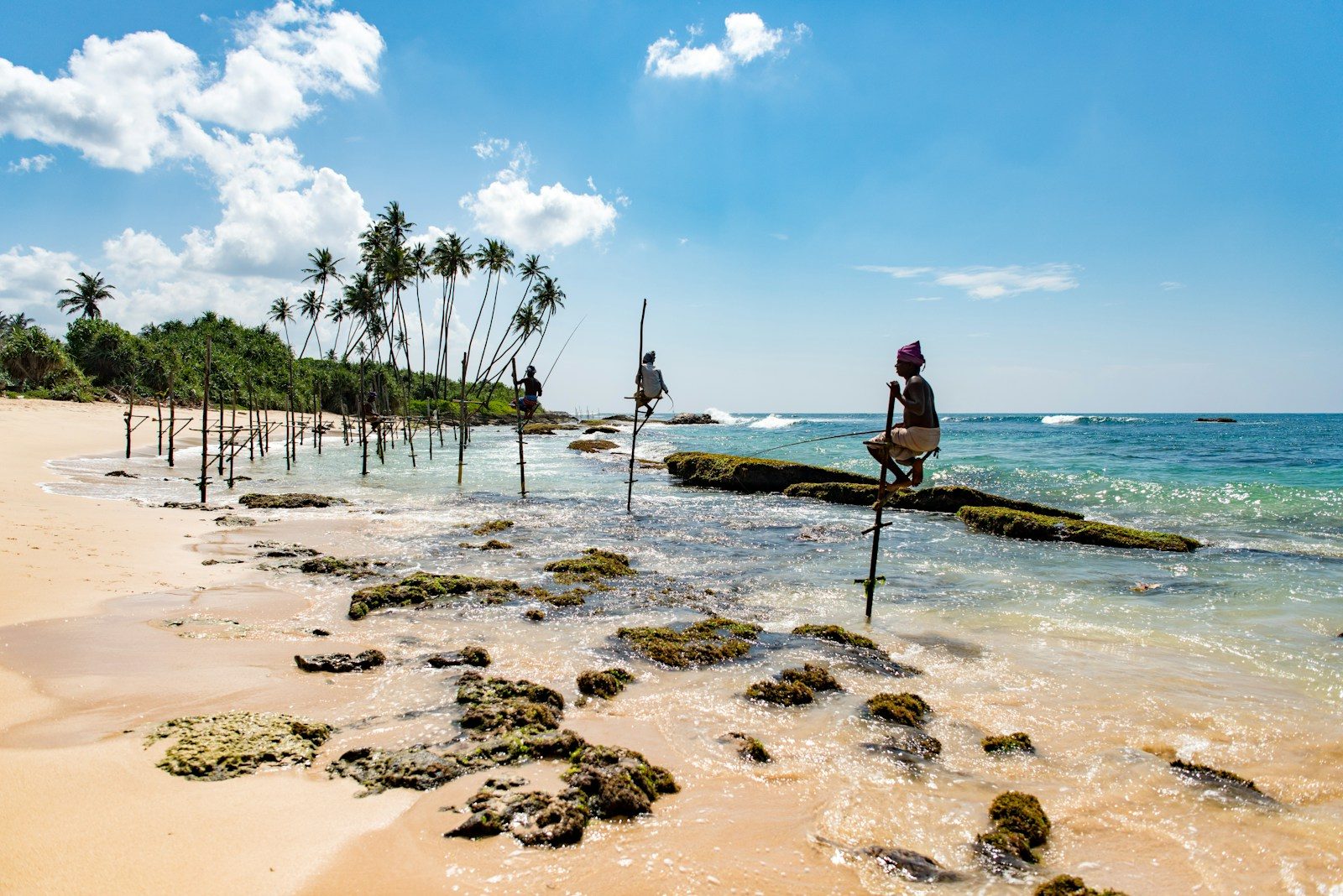
How to register a villa or homestay with SLTDA
Which SLTDA category your property falls into, what to upload, how the inspection works and what it costs, from SLTDA's own October 2026 process documents.
By Lakindu Pahesara · Published · 6 min read
Every tourist establishment in Sri Lanka is expected to register with the Sri Lanka Tourism Development Authority (SLTDA). For home stays, bungalows and rented houses, SLTDA’s own page says it plainly: “It is compulsory that all Home Stay units, Bungalows & Rented Houses/ Rented Apartments under the scheme should register and licence with Sri Lanka Tourism” (SLTDA, Home Stay).
The process is now online, the fees are paid in two parts, and the licence is renewed every year. This guide follows SLTDA’s process documents dated October 2026. Fees change, so check the current figures on sltda.gov.lk before you pay.
First, which category are you?
The category decides the documents, the inspection and the fee. For most villa owners it is one of four.
| Category | Fits | Key rule |
|---|---|---|
| Homestay | A family home that takes guests | Up to four guest rooms, with the family living there |
| Tourist bungalow | A house or bungalow let to guests | A rented home is let to one party at a time |
| Tourist guest house | A small guest house | Graded A, B or C by facilities, priced by number of rooms |
| Boutique villa | A larger villa run as a small hotel | At least 5 rooms, under the same guidelines as boutique hotels |
The homestay limit and the one-party rule for rented homes come from SLTDA’s Home Stay page. The boutique villa minimum is on SLTDA’s registration page, which says the guidelines for boutique hotels and boutique villas are the same, “However, Boutique Villas must have a minimum of 5 rooms.”
If you are not sure which fits, the inspection settles it. SLTDA’s process documents say that if a property does not meet its category’s requirements, it is given time to comply or placed in “a suitable category considering the available facilities & services.”
The steps, online
The process is the same shape for every category (SLTDA process documents, October 2026):
- Apply online. On sltda.gov.lk, click “Register with SLTDA”, then “Register with Us”, and choose your category under Formal Registration. Your login and an application reference arrive by email.
- Upload the documents. Upload everything in your category’s list. For a document that does not apply, upload a page that says “Not Relevant”, then tick “final submission” and submit.
- Send certified copies. Once SLTDA acknowledges the upload, send copies of every document certified as true copies by an Attorney-at-Law or a Justice of the Peace, by courier, registered post or by hand, to Director, Standards & Quality Assurance, SLTDA, No. 80 Galle Road, Colombo 03. Do not send originals.
- Pay the first fee. The inspection (admin) fee is paid online or by credit card. SLTDA no longer accepts cash or cheques for registration and renewal payments.
- The inspection. SLTDA inspects the property against the gazetted minimum requirements for the category. For home stays, SLTDA’s page says the unit must be ready “without prior notice” and that deferring the inspection is not accepted.
- Pay the second fee. When the inspection is recommended, you are asked to pay the registration fee.
- Certificate and licence. SLTDA prepares the Formal Registration Certificate and the annual licence, for collection or by registered post.
The documents
Homestay: a business registration, or a no-objection letter from the police or a Grama Niladhari certificate, with the deed, lease agreement or a consent letter for the property. A no-objection letter from the owner of the premises is optional.
Tourist bungalow: a business registration, or, without one, a police no-objection letter or Grama Niladhari certificate confirming the bungalow’s name, address and owner, with the deed, lease or consent letter. Limited companies add their company forms and a board resolution.
Tourist guest house: business registration, an approved building plan, environmental clearance, public liability and workmen’s compensation insurance, and a fire protection certificate. A trade licence and the deed or lease are optional.
Boutique villa: business registration (with company forms and a board resolution for a limited company), an approved building plan, an Environmental Protection Licence, public liability and workmen’s compensation insurance, a water quality report, a fire protection certificate (including first-aid firefighting training covering 75% of staff), bio data of executive staff and medical reports for food handlers.
What it costs
The fees below are from SLTDA’s October 2026 process documents. They exclude taxes: SLTDA adds VAT and the Social Security Contribution Levy, and its payment structure shows the totals with tax.
| Category | 1st payment (inspection) | 2nd payment (registration) | Total, before tax | Yearly renewal, before tax |
|---|---|---|---|---|
| Homestay | Rs. 1,000 | Rs. 7,000 | Rs. 8,000 | Rs. 6,000 |
| Tourist bungalow | Rs. 3,000 | Rs. 10,000 | Rs. 13,000 | Rs. 8,000 |
| Tourist guest house | Rs. 10,000 | Rs. 15,600 to 21,000 | Rs. 25,600 to 31,000 | See SLTDA |
| Boutique hotel or villa, up to 25 rooms | Rs. 10,000 | Rs. 36,000 | Rs. 46,000 | See SLTDA |
A guest house’s registration fee depends on its grade (A, B or C) and whether it has up to 10 rooms or more. Larger boutique properties pay more: Rs. 52,000 before tax for 26 to 50 rooms, and Rs. 58,000 for 51 or more. A change of name or owner costs Rs. 2,000.
Every year: renewal
The licence is annual. To renew, log in to the same SLTDA account, upload the renewal documents (for a boutique villa that means renewed insurance, EPL and fire certificates, among others), pay the renewal fee online, and clear the Tourism Development Levy where it applies. Each renewal also asks for your occupancy and tariff details through the online account.
What registration changes for a villa
Registration is what makes the property legal to operate as tourist accommodation, and it is increasingly what booking sites, insurers and returning guests look for. SLTDA also lists registered home stays and rented homes in its own accommodation guide.
For home stays, SLTDA adds a guest-friendly rule worth knowing: an advance deposit should be no more than 20% of the total, with the balance paid on arrival (SLTDA, Home Stay).
If Airbnb is where you plan to start, we wrote about registering an Airbnb in Sri Lanka: the listing, payouts and tax that follow registration.
Once the property is registered and listed on Booking.com, Airbnb, Agoda or Expedia, the next problem is keeping those calendars in step. That is what a channel manager is for, and a direct booking engine lets returning guests book you without the commission.
Northlight Space is not part of SLTDA. This guide summarises SLTDA’s published process documents as of November 2026. For anything specific to your property, contact SLTDA’s Standards & Quality Assurance division on +94 11 242 6800.